
Designing an Ambassador Program That Delivers with Case Western Reserve
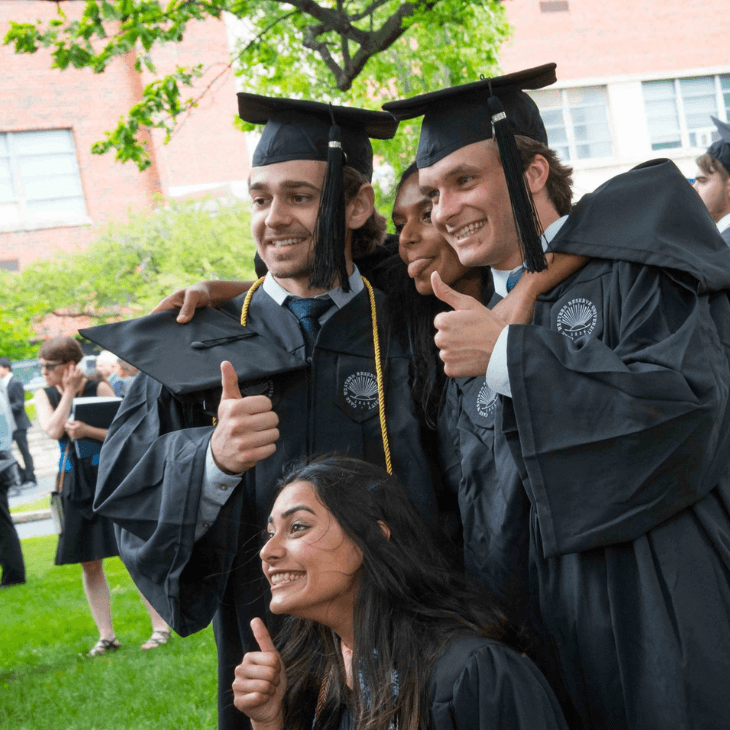
Speaking with a current student remains one of the most powerful ways for prospective students to evaluate a university. During a recent webinar hosted by Unibuddy, Dr. Brock Schroeder, Director of Recruitment & Enrollment, and Christopher Littman, MBA, Executive Director of the Office of Professional Programs from the Case Western Reserve University School of Engineering shared how they built an ambassador program that not only meets this demand but also drives measurable enrollment outcomes. In one recruitment cycle Case Western received more applications than initially expected, with a 154% increase over the intent signal, demonstrating how peer-to-peer conversations can move prospects further down the enrollment funnel.
Their journey highlights how thoughtful design, clear processes, and the right technology can transform a well-intentioned initiative into a scalable recruitment strategy.
Start With the Core Student Need
At Case Western, the message from prospective students was clear, “the number one request we heard from prospects was simple,” said Dr. Brock Schroeder, “they wanted to talk to a current student and hear what the experience is really like.”
Early attempts to facilitate these conversations proved difficult. Meetings were inconsistent, often featuring a different set of students each time. Without a reliable structure, continuity suffered and prospective students struggled to build meaningful connections.
Another major obstacle was response time. Prospective students sometimes waited 48 to 72 hours to be connected with a student ambassador, which was long enough for interest to fade or shift to another institution.
The turning point came when the university implemented a structured ambassador program using the Unibuddy platform. Today, the program includes 21–24 active ambassadors, allowing prospective students to connect in real time with peers who reflect their academic and personal interests.
Students can filter ambassadors by program, citizenship, and background, helping prospects quickly find someone whose experience resonates with their own goals.
“It completely changed the dynamic,” said Christopher Littman, “instead of delayed responses or scheduled meetings days later, students could connect immediately with someone who understands their journey.”
Build a Thoughtful Recruitment and Vetting Process
Case Western initially recruited ambassadors from existing graduate student leadership groups, identifying individuals already comfortable representing the university. From there, the team introduced a referral system, encouraging ambassadors to recommend peers who would also excel in the role.
Referrals are supported by incentives, including rewards when a referred student remains active for a full semester.
To maintain quality interactions, each ambassador completes a 30-minute individual training session. These sessions focus on communication skills, conversation strategies, and expectations for representing the university online. A standardized slide deck walks ambassadors through the platform and outlines best practices for engaging with prospective students. You can find Best Practices or Ambassador Training here.
Representation across the ambassador cohort is also intentional. The team seeks students from a range of departments, programs, and citizenship backgrounds, ensuring that prospective students can find someone who shares similar experiences.
“Our goal is to reflect the diversity of our programs and our student body,” explained Dr. Brock Schroeder, “when prospects see someone with a similar background or career path, the conversation becomes far more meaningful.”
Rethink Traditional Compensation Models
One unexpected challenge involved compensation. Initially, the program tried a traditional student employment model, paying ambassadors hourly for their work. In practice, this approach proved difficult to manage with payroll complexity, irregular working hours, and complications related to international students, which created administrative barriers.
The team ultimately pivoted to a model focused on recognition and community rather than hourly pay. At the end of each semester, ambassadors participate in an “Oscar-style” awards ceremony celebrating contributions across several categories, including student interactions, content creation, and event participation.
The program also hosts social events, such as happy hours or venue gatherings, funded through a dedicated program budget.
“What we found is that students valued the sense of community more than a paycheck,” said Christopher Littman, “creating a network where ambassadors feel recognized and connected made the program stronger.”
Integrate the Platform Across the Recruitment Journey
Technology integration has been essential to the program’s success. Case Western connected Unibuddy with Slate CRM, and embedded ambassador profiles across its website. Prospective students encounter ambassadors through popcards on department pages and event portals, allowing them to start conversations at key points in their research journey.
The impact has been clear, as in one recruitment cycle:
- 23 active applicants engaged in conversations with ambassadors during the fall and winter.
- Only 9 initially indicated an intent to apply, yet 23 Unibuddy users ultimately submitted applications.
Representing a 154% increase over the initial intent signal, demonstrating how peer-to-peer conversations can move prospects further down the enrollment funnel.

Maintain With Light Oversight
Despite its scale, the program requires relatively little day-to-day management. Staff spend roughly 20 to 30 minutes each day monitoring conversations, stepping in when questions require institutional input. This approach maintains accuracy while preserving the authentic voice that makes peer interactions so valuable.
Focus Content on What Prospects Care About
Most inquiries from prospective graduate and PhD students fall into a few key categories:
- Funding opportunities and requirements
- Faculty research connections
- Housing options for graduate students
- Professional development and networking
Ambassadors also contribute content to the platform. While some students are naturally creative, others need guidance, so the team plans to introduce 90–120 second video content to expand storytelling and engagement.
Analytics already show that student-generated content receives strong engagement, reinforcing the value of authentic peer voices.
A Model for Scalable, Authentic Engagement
The experience shared by Dr. Brock Schroeder and Christopher Littman illustrates how ambassador programs can evolve from informal initiatives into powerful recruitment engines.
By combining clear processes, thoughtful student representation, and integrated technology, institutions can create ambassador programs that meet prospective students’ expectations, and deliver measurable enrollment impact.
Book a product demo with one of our University Partnership Executives today.
More posts like this

Are All AI-Infused Chatbots for Higher Ed Intelligent?
24th Jan 2024

5 Ways to Integrate AI Into Your Student Ambassador Program
9th Feb 2024

New Unibuddy Updates Help You Know Higher Ed Students Inside Out
26th Mar 2023